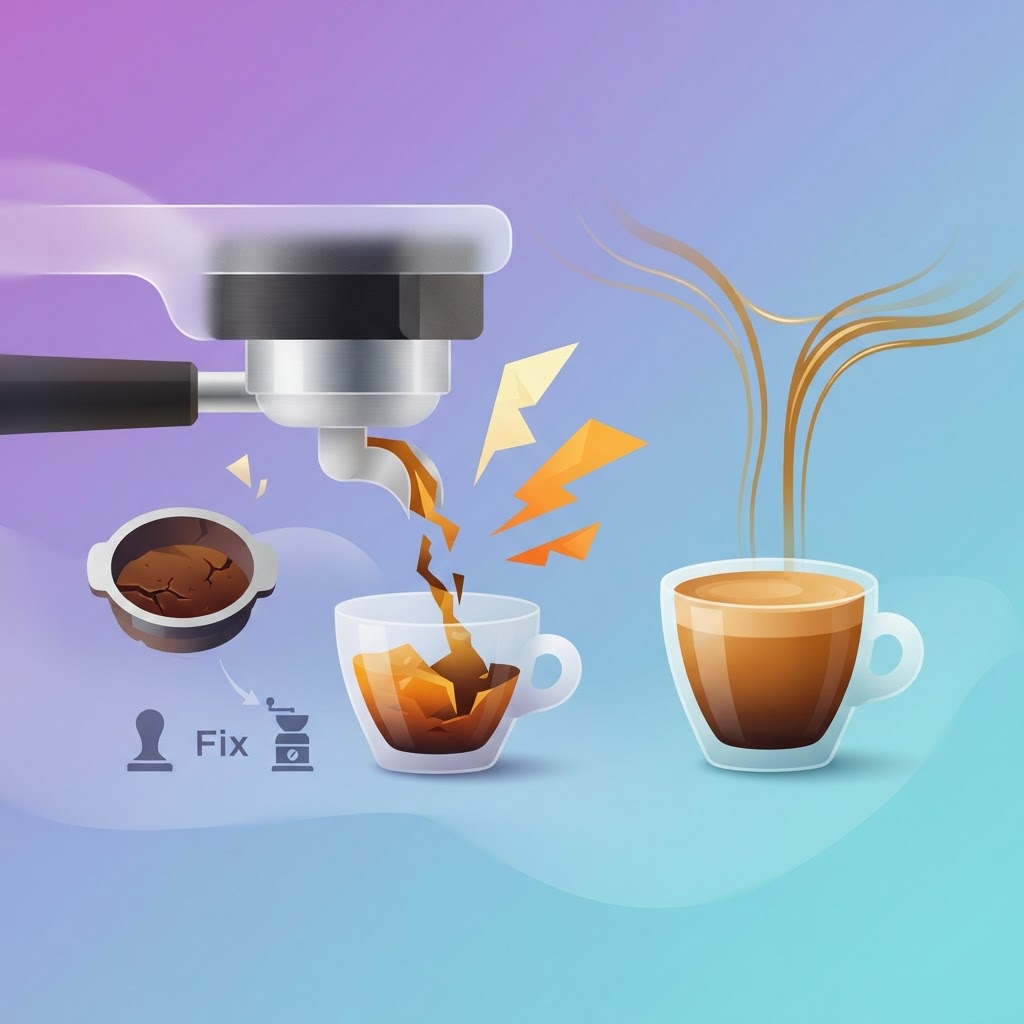
Why Your Espresso Tastes Sour (And The Fix)
Is your coffee sharp and acidic? Discover why your espresso tastes sour and learn the exact adjustments needed to pull the perfect, balanced shot.
Key Takeaways
- Sour espresso is typically caused by under-extraction.
- To fix sourness, increase your yield, grind finer, or use hotter water.
- Espresso extraction relies on the balance between acidity, sweetness, and bitterness.
- Consistent coffee quality, much like consistent marketing content, requires precise calibration and data-driven adjustments.
Introduction
Pulling your first shot on a new home machine is a rite of passage. But when you take that first sip and your face puckers from an intense, lemon-like acidity, it is clear: your sour espresso needs a fix. Understanding why your espresso tastes sour is the foundational lesson for every home barista. It is not necessarily the beans; it is almost always a result of under-extraction. Whether you are crafting the perfect morning brew or managing complex marketing campaigns with platforms like WebSpikes, the secret to success lies in understanding the variables that influence your final output.
The Science of Under-Extraction
When coffee grounds come into contact with water, the water dissolves various compounds. According to the Specialty Coffee Association, the process of extraction happens in a specific order: acids and salts dissolve first, followed by sugars, and finally, bitter compounds. If your shot stops before the sugars have fully integrated with the acids, you are left with an imbalanced, sour beverage.
Why Sourness Occurs
Sourness in espresso is the primary indicator of under-extraction. This happens when the water moves through the coffee bed too quickly, or fails to pull out the heavy, sweet, and syrupy components that define a great espresso. If you have ever felt like your coffee tastes thin, watery, or aggressively acidic, you are likely missing the structural sweetness that balances the cup.
How to Fix Sour Espresso: A Step-by-Step Guide
If your espresso tastes sour, do not change every variable at once. Follow this systematic approach to isolate the problem.
- Grind Finer: A coarser grind allows water to pass through too quickly. A finer grind increases surface area contact, slowing down the flow and pulling more sugars into your cup.
- Increase Your Ratio: Try extending your brew time or the total weight of the liquid output. If you are using an 18g dose to get 36g of liquid, try aiming for 40g to see if the extra contact time smooths out the edges.
- Increase Water Temperature: If your machine allows for temperature adjustments, ensure it is set between 195°F and 205°F (90°C–96°C). Lower temperatures can struggle to extract the necessary sweetness, leading to that sharp, sour profile.
Troubleshooting Table: Dialing In
| Symptom | Primary Cause | Adjustment | | :--- | :--- | :--- | | Sour / Acidic | Under-extraction | Grind finer or increase yield | | Bitter / Ashy | Over-extraction | Grind coarser or decrease yield | | Salty / Thin | Gross under-extraction | Increase dose or adjust grind |
Consistency Through Data and Measurement
Just as you need a scale to weigh your coffee dose to the 0.1 gram, professional workflows require precision. In the digital age, manual guesswork is no longer enough. Whether it is dialing in a recipe for a perfect shot or optimizing content reach, leveraging tools like WebSpikes allows you to monitor performance variables in real-time. By observing your data, you can make the small, incremental changes necessary to pivot from an 'under-extracted' strategy to one that hits the sweet spot of audience engagement.
Frequently Asked Questions
Q: Does the type of bean cause sour espresso? A: Yes. Light-roasted beans are naturally more acidic. If you prefer a darker, more chocolatey profile, look for 'medium-dark' roasts.
Q: Can a bad grinder cause sourness? A: Absolutely. If your grinder produces 'fines' (uneven particle sizes), water will channel through the gaps, causing uneven extraction.
Q: Is sour coffee dangerous to drink? A: No, it is simply unpleasant. It is biologically safe, just chemically under-extracted.
Conclusion
Turning sour espresso into a sweet, syrupy masterpiece is the most rewarding skill a home barista can master. Remember, espresso is a science of ratios: adjust your grind, measure your yield, and trust your palate. And just as you refine your coffee brewing process, consider refining your content strategy. If you are looking to streamline your workflow with the same level of precision you bring to your morning coffee, explore how WebSpikes can help you automate and optimize your digital presence effortlessly.