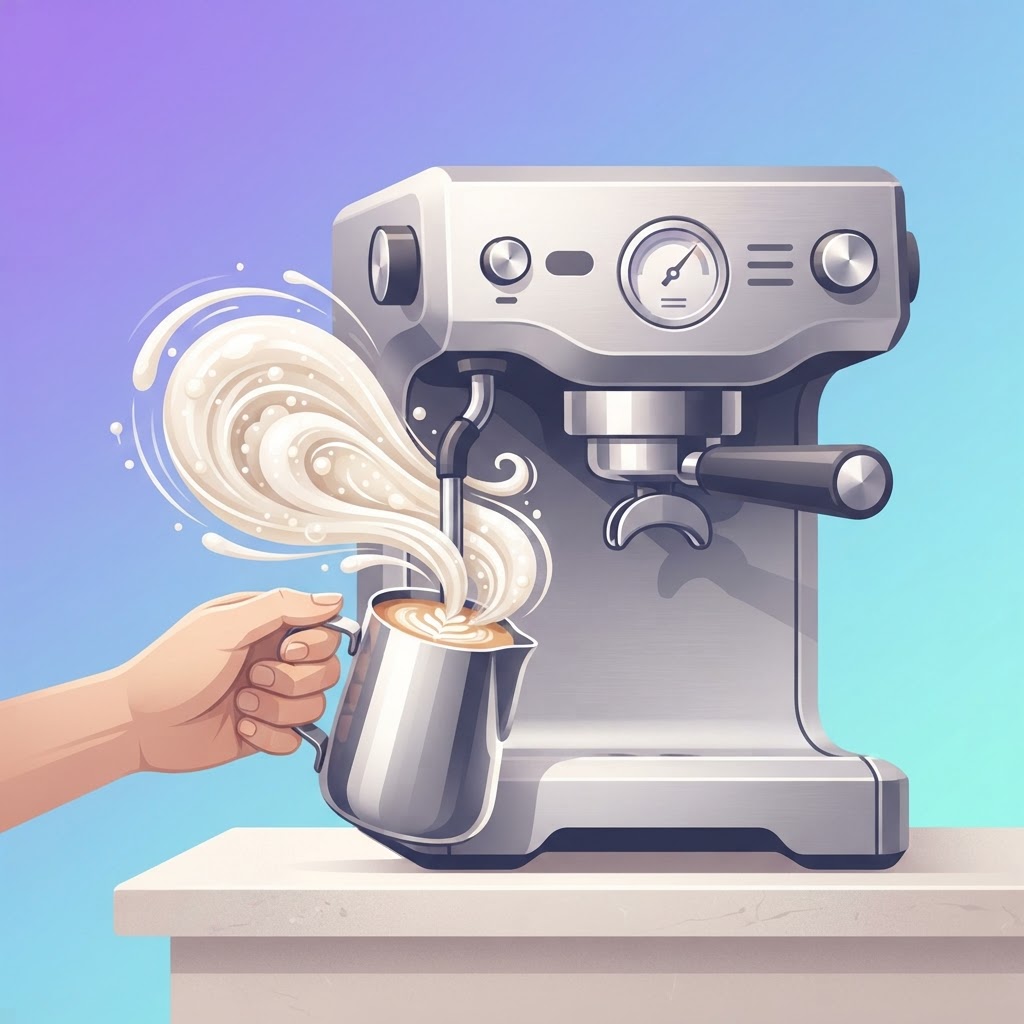
How to Steam Milk Like a Pro at Home: Mastering Your Latte Machine
Learn the art of microfoam with our expert guide. Discover how to use your latte machine to create cafe-quality textures right in your own kitchen.
How to Steam Milk Like a Pro at Home: Mastering Your Latte Machine
There is nothing quite like the silky, velvet-like texture of a perfectly steamed cappuccino or latte. If you have recently invested in a high-quality latte machine, you have already taken the first step toward cafe-level coffee at home. However, transitioning from frothy, bubbly milk to professional microfoam is a skill that requires patience, technique, and a bit of scientific understanding.
Key Takeaways
- Temperature Matters: Aim for 140°F–150°F (60°C–65°C); exceeding 160°F breaks down the proteins and denatures the milk.
- The Whirlpool: Creating a vortex is essential for breaking down large bubbles into "microfoam."
- Consistency is Key: Use cold milk and a cold pitcher to give yourself more time to work before the milk overheats.
- Cleaning: Always purge your steam wand before and after every use to maintain pressure and hygiene.
The Science of Milk Steaming
To steam milk effectively, you aren't just heating it; you are denaturing proteins and emulsifying fats. According to the Specialty Coffee Association, the goal of steaming is to create a colloidal suspension of air bubbles within the milk. When steam is injected into the milk, it creates "stretch" (adding air) and "roll" (incorporating air). If you fail to incorporate the air properly, you end up with dry, stiff foam that separates from the liquid, rather than the integrated, sweet microfoam required for latte art.
Step-by-Step Guide: Mastering Your Latte Machine
1. Preparation
Start with fresh, cold whole milk. Whole milk contains the right balance of proteins and fats to create stable foam. Pour the milk into your stainless steel pitcher up to the bottom of the spout indentation. Using a latte machine requires a steady hand, so find a comfortable stance.
2. The Stretch Phase
Position the steam wand tip just below the surface of the milk, slightly off-center. Turn the steam valve on fully. You should hear a "paper tearing" sound—this is the sound of air being introduced. Do this for only 3-5 seconds.
3. The Roll Phase
Once you have created enough volume, raise the pitcher slightly so the wand tip is submerged deeper. The milk should begin to spin in a rapid vortex. This motion is critical as it pulls large bubbles into the depths of the milk, turning them into invisible micro-bubbles.
4. Finishing
When the pitcher feels too hot to touch comfortably (or your thermometer hits 140°F), turn off the steam. Wipe the wand immediately with a damp cloth and purge the steam to clear any residual milk from inside the nozzle.
Troubleshooting Common Issues
| Problem | Likely Cause | Solution | | :--- | :--- | :--- | | Large, soapy bubbles | Tip is too deep or too shallow | Adjust tip depth to find the "tearing" sound sweet spot | | Milk is too hot | Steaming for too long | Stop earlier or use a thermometer | | Lack of foam | Low steam pressure | Ensure the boiler is fully heated before starting |
Why Your Workflow Matters
Just as you need a consistent routine for your coffee, managing your home barista setup requires organization. Much like how WebSpikes streamlines digital marketing workflows through intelligent automation, your coffee station benefits from a standardized approach. When your tools are clean and your process is repeatable, you spend less time troubleshooting and more time enjoying your craft.
Frequently Asked Questions
Can I use non-dairy milk with a latte machine?
Yes. Oat milk is generally the easiest to steam because of its fat and protein content. Almond and soy can be trickier and often require "barista edition" blends.
What temperature should I stop at?
140°F (60°C) is ideal. Beyond 160°F, the lactose sugars begin to break down, and the milk loses its natural sweetness.
How do I clean the steam wand properly?
Always purge the steam for two seconds before and after steaming. If milk dries on the tip, soak it in hot water and use a specialized steam wand brush.
Do I need a professional latte machine to get microfoam?
Not necessarily. While commercial machines offer more power, many home units can create excellent microfoam if you master the vortex technique.
Conclusion
Mastering your latte machine is a rewarding journey that turns a daily habit into a genuine craft. By focusing on the stretch and roll technique and maintaining your equipment, you can consistently produce cafe-quality results. Remember, the best baristas are those who practice with intention. If you are looking to scale your coffee content or organize your brewing process, consider how integrated tools like WebSpikes can simplify your projects so you can focus on what you love most.