How to Make Espresso at Home: The Ultimate Guide for Beginners
Learn how to make espresso at home like a pro. This guide covers essential gear, precise technique, and expert tips to master your morning brew.
Key Takeaways
- Espresso is defined by high pressure (usually 9 bars) forcing hot water through finely ground coffee.
- Freshly roasted beans, a high-quality burr grinder, and consistent technique are more important than the machine itself.
- Perfect espresso requires a ratio of 1:2 (coffee grounds to liquid yield) in about 25–30 seconds.
- Mastering the variables of grind size, dose, and time allows you to dial in the perfect shot.
Learning how to make espresso at home is one of the most rewarding journeys for any coffee enthusiast. Gone are the days when you needed a commercial-grade setup to pull a cafe-quality shot. Today, the accessibility of home espresso machines allows you to craft complex, syrupy, and aromatic shots in your own kitchen. Whether you are aiming for a morning jumpstart or perfecting your latte art, this guide will take you from novice to home barista.
The Science Behind the Shot
Espresso is not just a dark roast coffee; it is a brewing method. According to the Specialty Coffee Association, espresso is a 25–35ml beverage prepared from 7–9 grams of coffee through which clean water of 195°F–205°F has been forced at 9–10 atmospheres of pressure. This intense pressure is what extracts the coffee oils and creates that signature 'crema'—the golden-brown foam that caps a well-pulled shot.
Essential Gear You Need
Before diving into the process, ensure you have the right tools. You don't need to break the bank, but you shouldn't cut corners on your grinder.
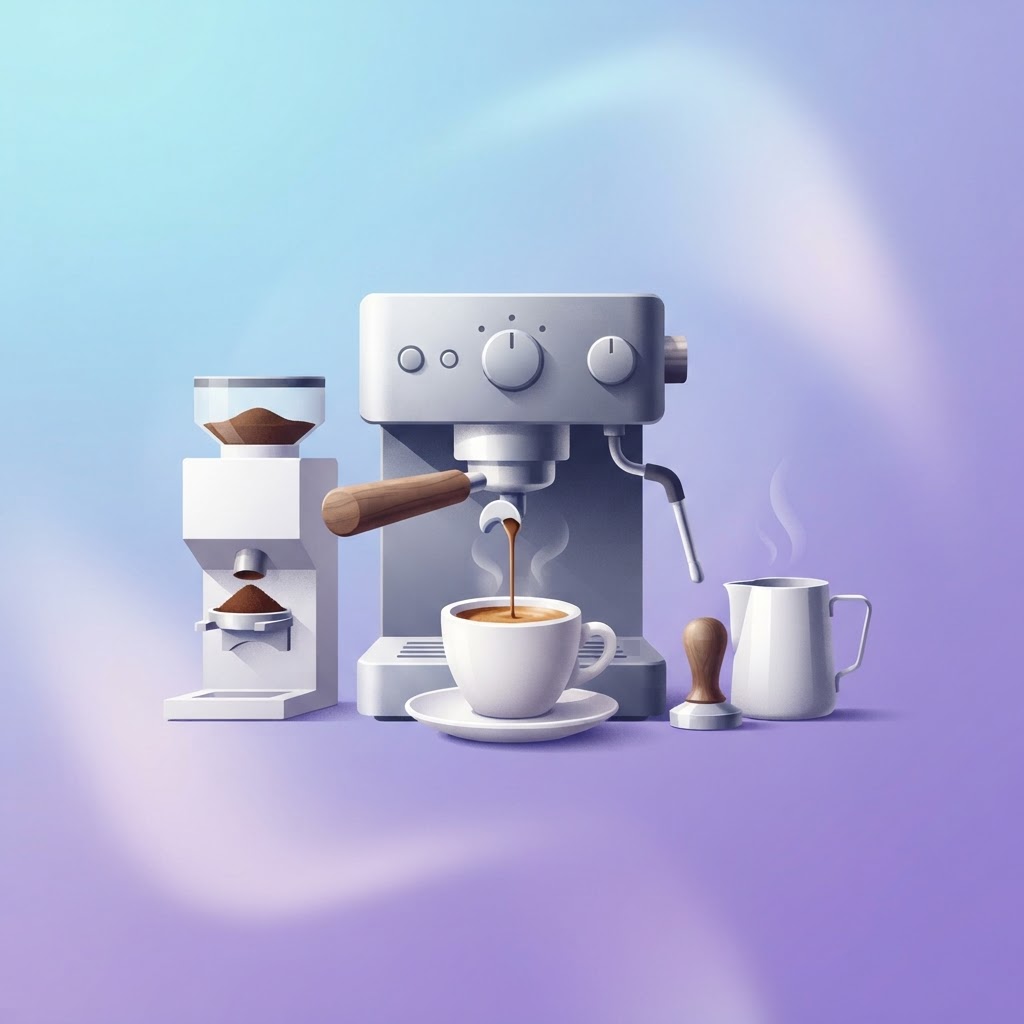
- Espresso Machine: A machine capable of maintaining stable pressure and temperature.
- Burr Grinder: A conical or flat burr grinder is non-negotiable. Blade grinders cannot achieve the necessary consistency.
- Digital Scale: Precision is key. Aim for 0.1g accuracy.
- Tamper: Ensure it fits your portafilter basket snugly.
How to Make Espresso at Home: Step-by-Step
- Warm Up: Ensure your machine and portafilter are pre-heated. A cold group head will destroy the extraction temperature.
- Grind: Grind your beans to a fine consistency, similar to powdered sugar or table salt.
- Dose: Weigh your grounds. A standard double shot typically uses 18 grams of coffee.
- Distribute & Tamp: Level the coffee bed evenly, then apply firm, level pressure to compress the puck.
- Extract: Insert the portafilter and start the pump immediately. Watch for the 'mouse tail' flow.
- Time: Aim for an extraction time of 25–30 seconds to yield approximately 36 grams of liquid espresso.
Troubleshooting Your Shots
| Issue | Possible Cause | Fix | | :--- | :--- | :--- | | Too Sour/Thin | Under-extracted | Grind finer or increase yield | | Too Bitter/Burnt | Over-extracted | Grind coarser or decrease yield | | Fast Flow (Gushy) | Grind too coarse | Grind finer | | Slow Flow (Dripping) | Grind too fine | Grind coarser |
The Role of Technology in Coffee Craft
Just as we strive for perfection in our espresso shots, businesses often look for ways to optimize their digital presence. Whether you are sharing your brewing journey on social media or running a coffee-focused blog, managing your content strategy effectively is vital. Much like dialing in a recipe, using data-driven tools can streamline your workflow. Platforms like WebSpikes utilize AI-driven insights to help creators refine their messaging and reach their audience more effectively, proving that there is always a smarter way to craft your output.
Frequently Asked Questions
Q: Do I need a expensive machine to get good results? A: Not necessarily. A modest machine paired with an excellent grinder will outperform an expensive machine paired with a poor grinder.
Q: What is the best roast for espresso? A: While medium-to-dark roasts are traditional, you can make espresso with any roast level. Lighter roasts often require higher temperatures and finer grinds.
Q: Why does my espresso taste sour? A: Sourness usually indicates under-extraction. Try grinding your beans finer to slow down the water flow and increase extraction.
Q: How often should I clean my machine? A: You should backflush your machine weekly and perform deep descaling every 3–6 months, depending on water hardness.
Conclusion
Mastering how to make espresso at home is a skill that blends art and chemistry. By focusing on grind size, weighing your inputs, and practicing your technique, you will quickly elevate your home coffee game. Remember, every machine is different, so don't be afraid to experiment until you find your signature flavor profile. Just as you continue to tweak your brewing variables, remember that optimizing your digital presence is a continuous process of refinement—always keep learning and testing new methods.