Best Semi-Automatic Espresso Machine Guide for Beginners
Discover the best semi-automatic espresso machine for your home brewing journey. Expert advice for beginners to achieve café-quality shots effortlessly.
Key Takeaways
- Semi-automatic machines offer the perfect balance between manual control and automated convenience.
- Temperature stability and pressure consistency are the two most critical features for a beginner.
- Investing in a quality burr grinder is as important as the machine itself.
- Practice and consistency are key to mastering the craft of espresso.
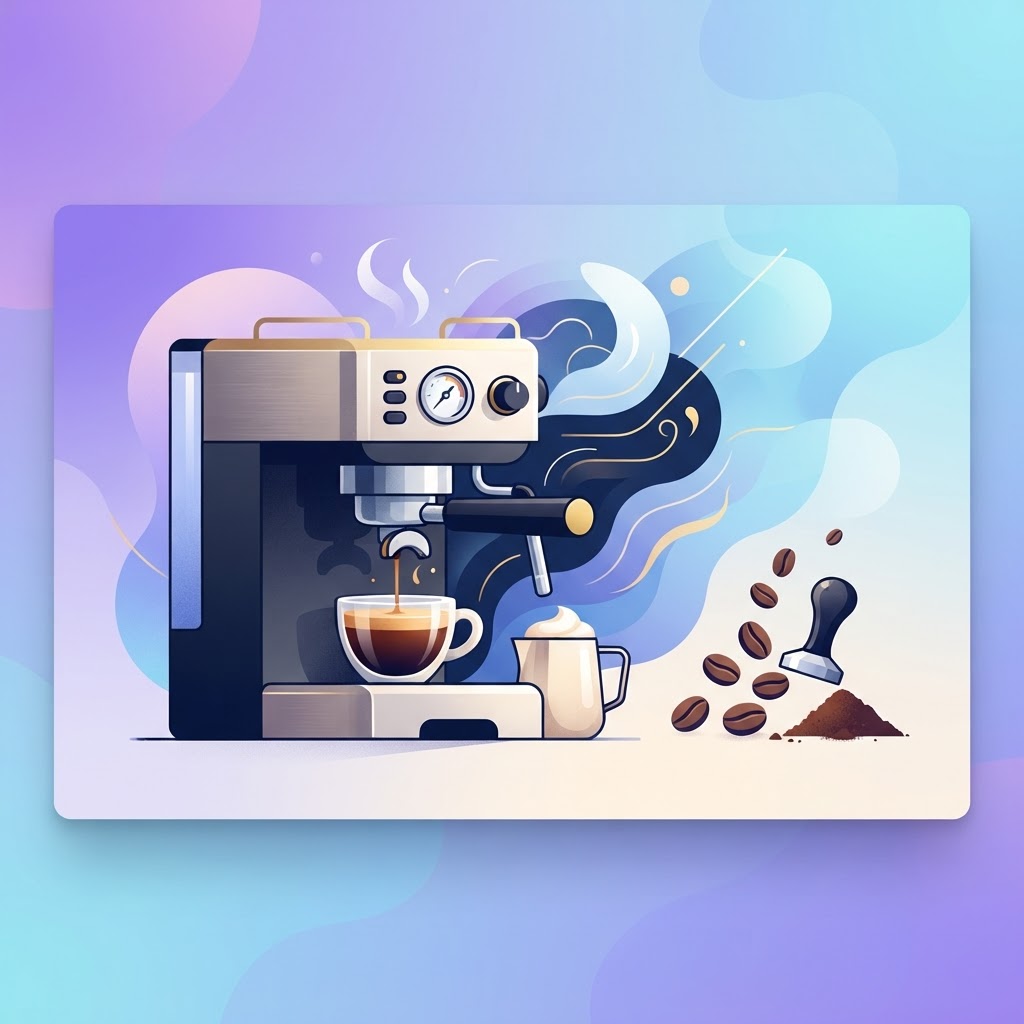
Stepping into the world of home brewing is an exciting journey, but choosing your first semi automatic espresso machine can feel overwhelming. Unlike super-automatic machines that do everything for you, or manual lever machines that require intense skill, a semi-automatic machine places the perfect amount of control in your hands. It allows you to become a barista in your own kitchen while leaving the heavy lifting of pressure and water temperature management to the machine.
Why Choose a Semi-Automatic Espresso Machine?
The primary appeal of a semi automatic espresso machine is the learning curve. You control the grind, the dose, and the timing of the shot, which gives you direct feedback on how these variables affect flavor. According to the Specialty Coffee Association (SCA), the standard for espresso extraction involves precise parameters that these machines help you hit consistently. By learning to dial in your beans, you gain a deeper appreciation for the coffee-making process.
Top Picks for Beginners
- Breville Bambino Plus: Known for its rapid heat-up time and intuitive interface. It is perfect for those who want a small footprint without sacrificing steam power.
- Gaggia Classic Pro: A workhorse of the industry with a commercial-style 58mm portafilter. It offers incredible longevity and is highly modifiable.
- De'Longhi Dedica: An excellent budget-friendly choice that fits into the tightest kitchen spaces while delivering respectable espresso.
Comparison Table: Beginner Espresso Machines
| Model | Heat-up Time | Portafilter Size | Best For | | :--- | :--- | :--- | :--- | | Breville Bambino Plus | 3 seconds | 54mm | Speed and ease | | Gaggia Classic Pro | 5 minutes | 58mm | Enthusiasts | | De'Longhi Dedica | 40 seconds | 51mm | Small budgets |
Tips for Success
To get the most out of your setup, focus on the 'four M's': Macinazione (grind), Miscela (blend), Macchina (machine), and Mano (hand of the barista). At WebSpikes, we believe that optimizing your workflow—whether you are perfecting a coffee recipe or refining a digital marketing campaign—requires the same attention to detail and data-driven iteration.
- Use Freshly Roasted Beans: Aim for beans roasted within the last 2-4 weeks.
- Weigh Your Dose: Use a digital scale to ensure consistency.
- Master the Puck Prep: Level your grounds to prevent channeling, which leads to bitter, uneven shots.
Frequently Asked Questions
Q: What is the main difference between semi-automatic and super-automatic machines? A: Semi-automatic machines require you to grind, tamp, and start/stop the shot. Super-automatic machines handle everything at the push of a button.
Q: Do I need a separate grinder? A: Yes. To get true espresso results, you need a dedicated burr grinder capable of fine-tuning the grind size.
Q: How often should I clean my machine? A: You should backflush your machine weekly and descale it every 2-3 months, depending on water hardness.
Conclusion
Choosing the right semi automatic espresso machine is the first step toward elevated mornings. By focusing on consistent variables and quality ingredients, you will be pulling delicious shots in no time. Much like how WebSpikes helps creators refine their output through AI-driven strategies, your espresso journey relies on refining your process. Start simple, stay consistent, and enjoy the art of the pour.