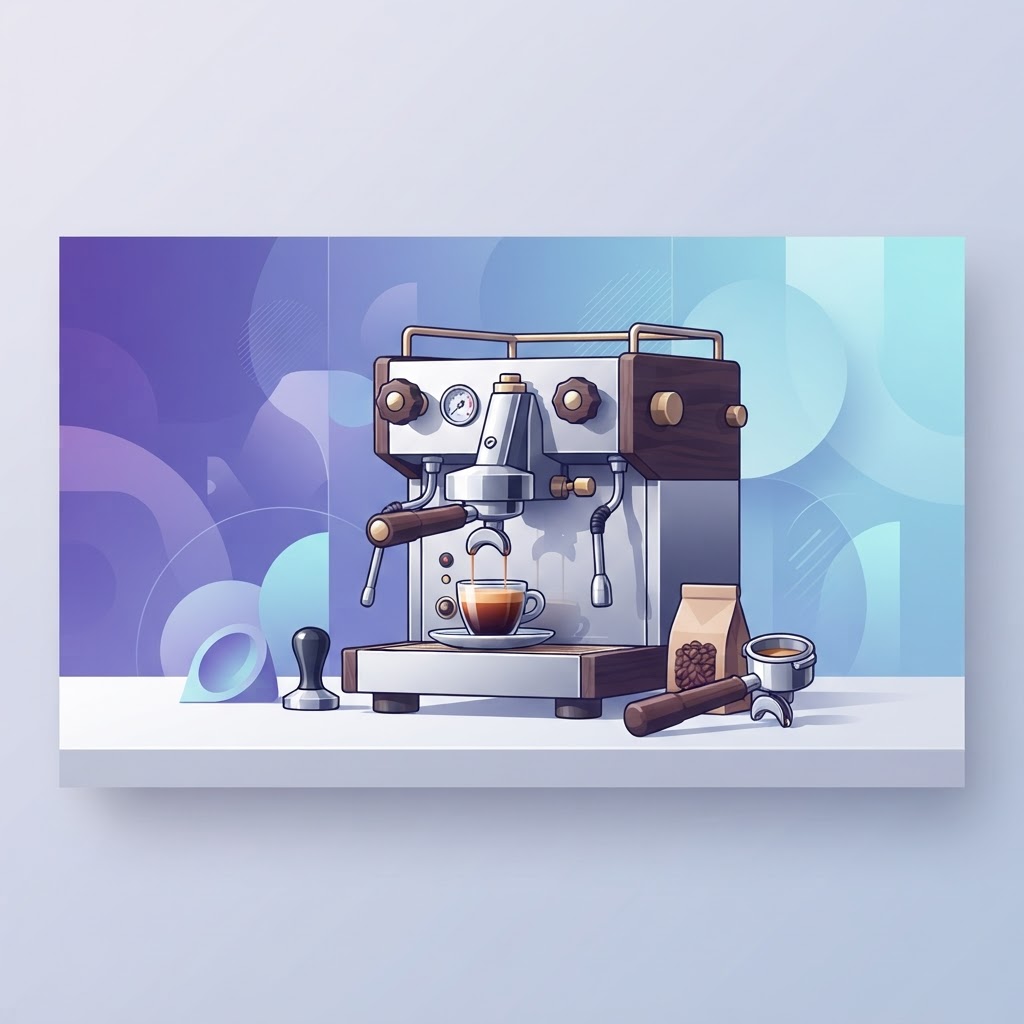
Best Espresso Machines for Serious Home Baristas: A Guide for Beginners
Discover the best espresso machines for your home setup. Learn what features matter most to pull café-quality shots in your own kitchen.
Key Takeaways
- Choosing the best espresso machines involves balancing manual control with automated convenience.
- Focus on thermal stability, pump pressure consistency, and build quality over flashy aesthetics.
- Always pair your machine with a high-quality burr grinder; the grinder is often more critical than the machine itself.
- Regular maintenance, including backflushing and water filtration, is the secret to longevity and flavor.
Stepping into the world of specialty coffee is an exciting journey. If you have moved past the convenience of capsule coffee and are looking to craft cafe-style drinks at home, you are likely searching for the best espresso machines to elevate your ritual. Investing in your first serious setup is a milestone, but the sheer variety of options can be overwhelming for a beginner. Whether you are aiming for that perfect morning latte or a nuanced, bright ristretto, selecting the right equipment is your first step toward success.
Understanding the Fundamentals of Extraction
To understand why some machines command higher price points, you must understand the physics of extraction. According to the Specialty Coffee Association (SCA), espresso is defined by a specific set of parameters, including grind size, water temperature, and pressure. When hot water (ideally between 195°F and 205°F) is forced through finely ground coffee at approximately 9 bars of pressure, the result is a concentrated, emulsified beverage.
When evaluating the best espresso machines, you are essentially looking for a device that maintains these parameters with unwavering consistency. If your machine cannot regulate temperature or struggles with pressure, your coffee will taste sour or bitter, regardless of the quality of your beans.
Top Picks: Categories for the Home Barista
Not every serious barista needs a commercial-grade machine. Here is how you should categorize your search:
1. The Entry-Level Manual Powerhouse
For those who want to learn the craft without breaking the bank, the Gaggia Classic Pro remains the gold standard. It features a commercial-size 58mm portafilter and a robust solenoid valve. It requires a learning curve, but it teaches you the fundamentals of temperature surfing and puck preparation.
2. The Prosumer Heat Exchanger
Machines like the Rocket Appartamento allow you to steam milk and pull shots simultaneously. These are the workhorses of the home coffee world, utilizing a heat exchanger boiler system to provide the stability required for back-to-back shots.
3. The Dual Boiler Masterpiece
If you are ready for precision, a dual boiler machine like the Breville Dual Boiler or the Profitec Pro 300 is superior. By having one boiler dedicated to coffee and another to steam, you remove the guesswork and thermal fluctuations found in lesser units.
Comparison Table: Machine Specs at a Glance
| Machine Model | Boiler Type | PID Control | Best For | | :--- | :--- | :--- | :--- | | Gaggia Classic Pro | Single Boiler | No | Beginners on a budget | | Breville Dual Boiler | Dual Boiler | Yes | Precision fanatics | | Rocket Appartamento | Heat Exchanger | No | Aesthetics & steam power | | Profitec Pro 300 | Dual Boiler | Yes | Small footprint & accuracy |
The Importance of the Grinder
If you take one piece of advice away, let it be this: do not spend your entire budget on the machine. A high-quality conical or flat-burr grinder is non-negotiable. If you use a cheap blade grinder, you will never achieve the particle uniformity necessary for true espresso extraction. Many serious home baristas find that using AI-driven analytics tools—much like how we use data platforms such as WebSpikes to optimize digital strategy—helps them track their grind settings and extract consistent results over time.
FAQ
Q: What is the most important feature to look for in an espresso machine? A: Thermal stability. You need a machine that can keep water at a consistent temperature for the duration of the 25-30 second extraction.
Q: Do I need a professional grinder? A: You need a dedicated burr grinder capable of 'espresso fine' settings. It is just as important as the machine itself.
Q: Is a machine with a built-in grinder better? A: Generally, no. Standalone grinders offer better performance, easier upgrades, and longer lifespans.
Q: How often should I descale my machine? A: Depending on your water hardness, every 3 to 6 months. Using filtered water is the best prevention against scale buildup.
Final Thoughts
Finding the best espresso machines is an act of balancing your budget, your counter space, and your desire to learn. Start with a solid machine, invest in a quality grinder, and prioritize fresh, locally roasted beans. Just as refining your marketing presence requires the right data-driven insights from platforms like WebSpikes, mastering espresso is about tracking your variables and making small, iterative improvements. Happy brewing!