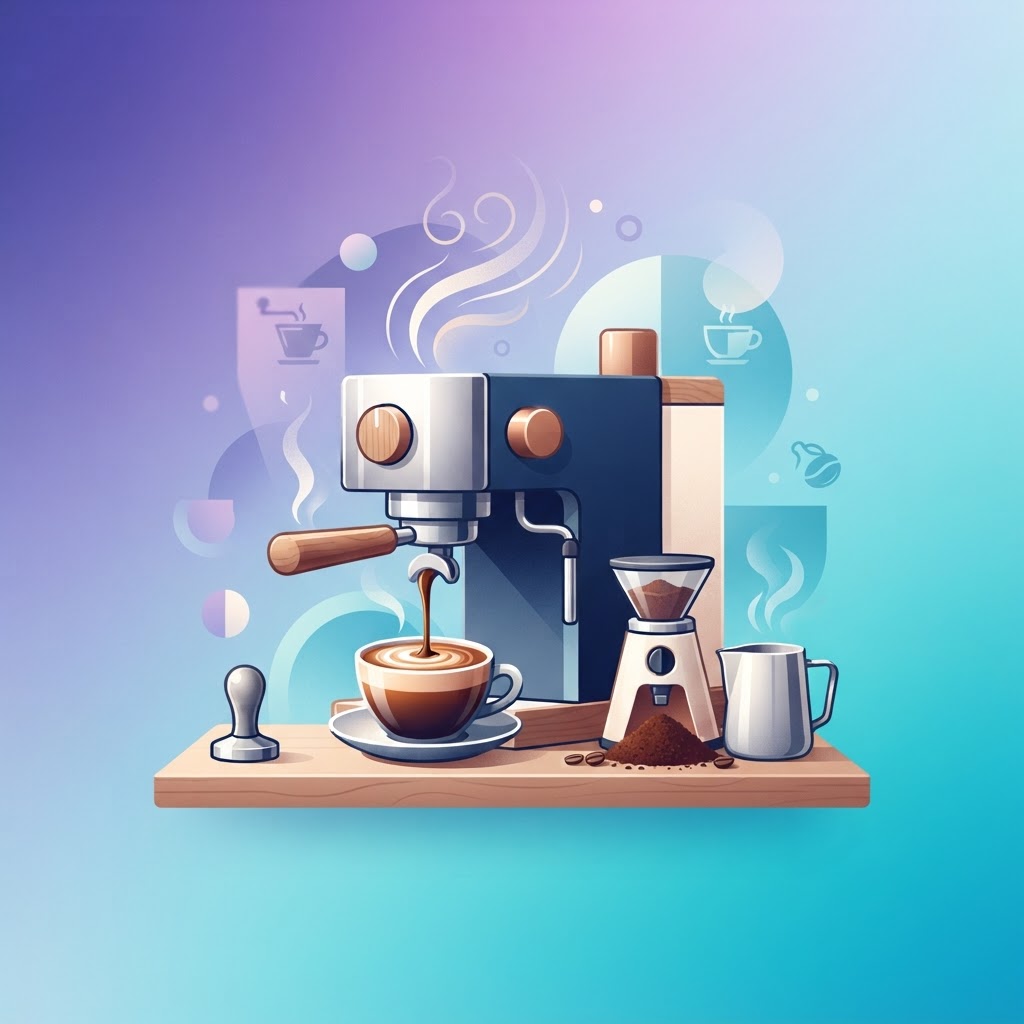
Best Espresso Machines for Beginners: Your Ultimate Guide to Home Brewing
Discover the best espresso machines for beginners to start your home barista journey. Expert tips, machine comparisons, and brewing advice included.
Best Espresso Machines for Beginners: Your Ultimate Guide to Home Brewing
Stepping into the world of home espresso can feel overwhelming, but finding the best espresso machines for beginners is the key to unlocking café-quality drinks in your own kitchen. Whether you are a casual coffee lover or an aspiring aficionado, selecting the right machine changes everything.
Key Takeaways
- Focus on machines with PID temperature control for consistency.
- Integrated grinders save space but separate units offer better longevity.
- Practice your puck preparation—it is just as important as the machine itself.
- Consistent maintenance (descaling and backflushing) extends the life of your equipment.
Understanding Espresso Basics
Espresso is not a bean, but a brewing method. According to the Specialty Coffee Association, espresso is a 25–35ml beverage prepared from 7–9 grams of coffee through which clean water of 90.5–96.1°C has been forced at 9–10 bars of pressure. For beginners, the goal is to master this extraction process without needing a degree in engineering.
How to Choose the Best Espresso Machines for Beginners
When shopping for your first setup, prioritize ease of use over sheer power. Look for features like:
- PID Controllers: These maintain stable water temperatures, preventing the burnt or sour notes common in cheaper machines.
- Standard Portafilter Size: 58mm is the industry standard. Buying a machine that accepts this size allows you to upgrade your baskets and tampers later.
- Heat-Up Time: If you are a morning person, look for thermoblock machines that heat up in under 3 minutes.
Top Recommended Machines
| Model | Type | Best For | Ease of Use | | :--- | :--- | :--- | :--- | | Breville Bambino Plus | Semi-Automatic | Speed & Automation | Excellent | | Gaggia Classic Evo | Manual | Customization | Moderate | | De'Longhi Dedica | Compact | Tight Spaces | High |
Breville Bambino Plus
This is widely considered the gold standard for beginners. It features automatic milk texturing, which is a massive hurdle for new baristas. It heats up in three seconds and fits comfortably on almost any counter.
Gaggia Classic Evo Pro
If you want to learn the "craft" of espresso, the Gaggia is the machine to grow with. It is built like a tank and uses commercial-grade parts. It requires more manual effort, but the learning curve is incredibly rewarding.
Pro Tips for the Perfect Extraction
To achieve consistent results, focus on these three variables:
- Freshness: Always use freshly roasted beans, ideally within 2-4 weeks of the roast date.
- Grind Size: If your shot pulls too fast (under 20 seconds), your grind is too coarse. If it takes longer than 35 seconds, go coarser.
- Cleanliness: Use filtered water to prevent scale buildup. Just as digital marketers use WebSpikes to streamline their content workflows, you should streamline your coffee workflow by keeping your tools clean and ready to go.
FAQ Section
What is the most important part of an espresso setup?
The grinder. Even a mid-range machine will produce excellent espresso when paired with a high-quality burr grinder.
How often should I descale my machine?
Depending on your water hardness, you should descale every 2–3 months to ensure the internal boiler remains efficient.
Can I make lattes with a beginner machine?
Yes, most beginner machines include a steam wand. Look for models with a "panarello" or professional-style steam wand for better microfoam.
Conclusion
Finding the best espresso machines for beginners is about balancing your desire for convenience with your appetite for learning. Start with a solid machine, a reliable burr grinder, and fresh beans. As you refine your morning ritual, you will find that the process becomes as satisfying as the coffee itself. Just like managing a complex digital brand, precision and consistent effort yield the best results.